Oct 26, 2026
Press
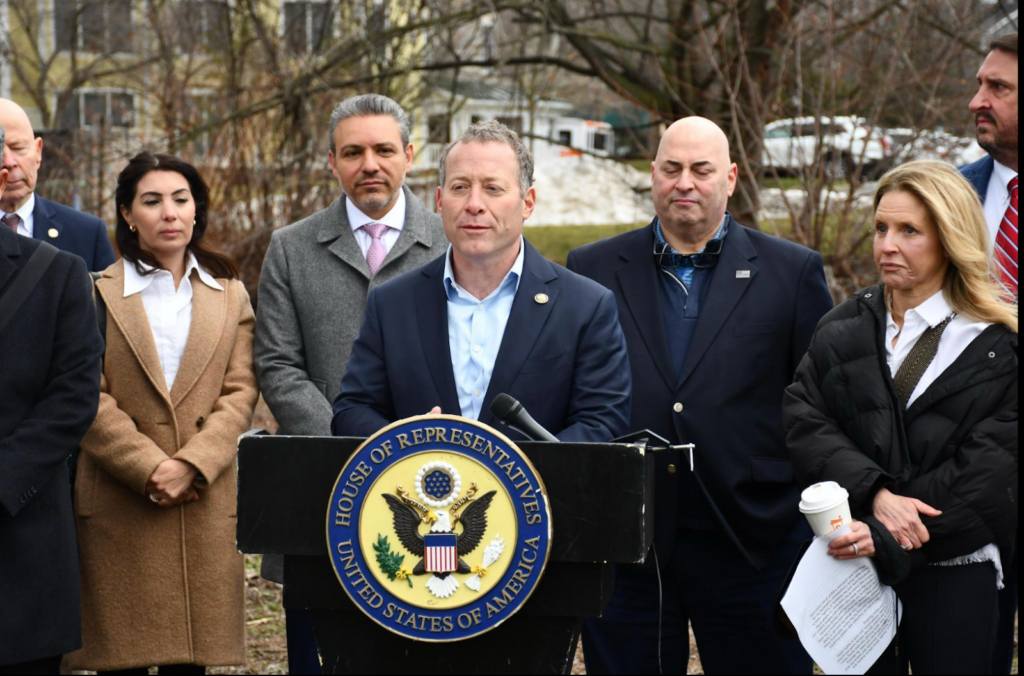
Above: Gottheimer announces new federal investment for water infrastructure.
CRESSKILL, N.J. — U.S. Congressman Josh Gottheimer (NJ-5) announced today more than $7 million in new federal investments to help strengthen water infrastructure, protect homes and roads from flooding, and improve drinking water quality for families throughout North Jersey.
By clawing back more federal dollars to North Jersey communities and first responders, Gottheimer is helping lift significant costs off of local town budgets and helping provide critical tax relief to North Jersey residents on their property taxes.
FY 2026 Community Project Funding For Water Infrastructure:
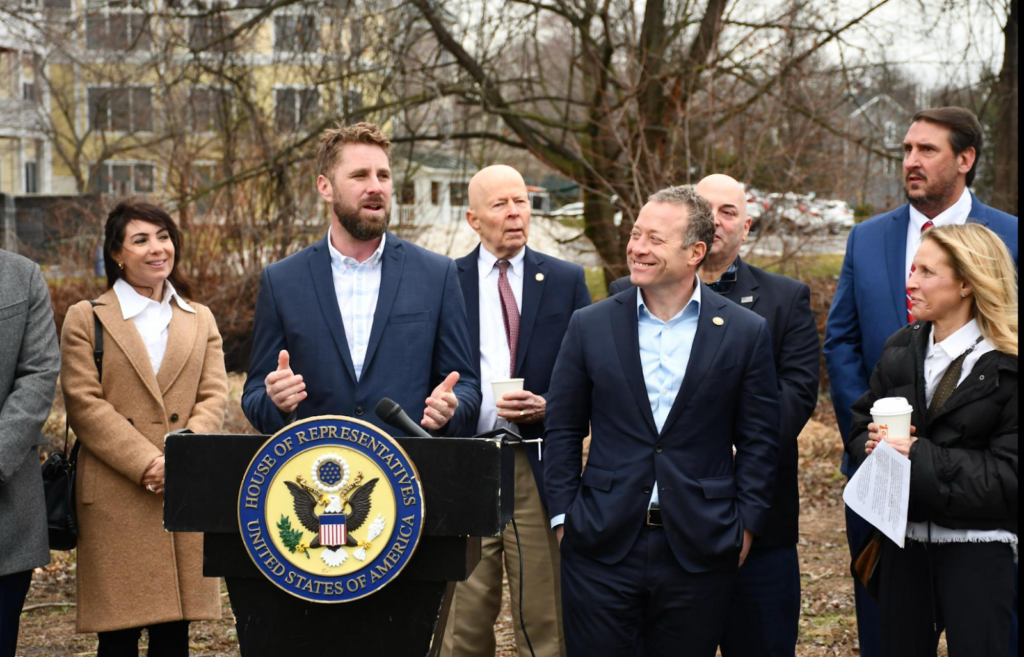
Gottheimer made the announcement in Cresskill alongside local leaders from across North Jersey, highlighting the importance of investing in resilient infrastructure to protect residents and ensure safe, reliable water systems.
“What used to be ‘once-in-a-century’ storms are now hitting our region almost every year, overwhelming infrastructure that was never built for this kind of rainfall,” said Congressman Josh Gottheimer (NJ-5). “These federal dollars will help make critical upgrades across our region, strengthen flood protections, and improve water quality for our residents.”
Video of Gottheimer’s announcement can be found here.
Gottheimer was joined by Cresskill Mayor John Morgan, Palisades Park Mayor Paul Kim, Alpine Mayor Paul Tomasko, Cresskill Councilman Hector Olmo, Tenafly Councilwoman Jamie Corsair, Fair Lawn Borough Administrator Kurt Pulso, Cresskill Borough Administrator Dianne Lavin, and Sussex County Municipal Utilities Authority Executive Director Joe Sesto.
Below: Gottheimer announces new federal investment for water infrastructure.


Gottheimer’s remarks as prepared for delivery:
How often are you reading about another storm and yet another flood? Cars floating down the street. Neighborhoods and basements flooded – a senior home or school. Water overflowing from a brook or other body of water that has never flooded a town before? And here are just a few headlines from the last couple of years: Bergen Record: Heavy rains wallop parts of New Jersey, leave two dead — CBS News: “We can’t keep going through this.”
Anyone who’s living in Jersey these days knows this problem all too well. When these supposed “once a century” storms roll through our region once a year now —pounding rainfall can quickly overwhelm our aging infrastructure that was not built for this much rain in a short period of time. Flash floods overflow our rivers, brooks, and streams, back up our sewer systems, and leave behind a massive wake of danger and damage to homes, streets, municipal buildings, and small businesses.
As these outstanding elected officials can tell you, it ends up costing our taxpayers a fortune to cleanup. We’ve seen bridges collapse, roads cave, cars destroyed, homes gutted, and families left without a home. It impacts water quality, cause chemical contamination, and sewage infiltration. And, in some cases, families have lost loved ones — drowning in cars or being sucked into sewers or rivers.
Flooding is now New Jersey’s most common natural disaster. Whether it was Superstorm Sandy, Hurricane Ida, or the dozens of intense storms that have dumped insane amounts of rain on Jersey in recent years, we know things are bad – and it’s getting worse.
My district in North Jersey alone has nearly 100,000 homes that have more than a 80 percent chance of flood damage over the next 30 years. And the dangers don’t just go away when the storm ends. Floodwaters can carry garbage, chemicals, and sewage through neighborhoods, damaging property and contaminating our waterways.
That’s the bad news. The good news:
Today, I’m announcing new federal investments totaling more than $7.8 million dollars that we’ve clawed back from Washington to North Jersey to help tackle the flooding, water infrastructure, and environmental impacts that plague too many of our communities every year. These are our federal tax dollars coming back to Jersey – not some Moocher State – to work for you, and to ensure that your local property taxes aren’t carrying the costs.
Together, these projects will upgrade aging sewer infrastructure, improve stormwater systems, restore waterways, and strengthen flood protections in communities across North Jersey.
We need to take proactive action to strengthen our infrastructure and prevent the worst flooding before it happens. The federal investments I’m announcing today will do exactly that.
Here, in Cresskill, we clawed back from Washington more than a million dollars to improve flood protection and environmental conditions along Tenakill Brook — including targeted drainage improvements, river bank stabilization, and stormwater capacity upgrades to better manage heavy rainfall and overflow. These enhancements will help minimize the costly impacts of recurring flood events — delivering peace of mind for Cresskill residents and small businesses.
This is an especially big deal after the flooding that crushed Cresskill Middle and High School, 5 years ago, and closed it down for 2 years. It ended up costing the local taxpayers $21.6 million, and turned the lives of students, parents, and teachers upside down.
We landed more than a million dollars for the Sussex County Municipal Utilities Authority to upgrade nitrate treatment at the Upper Wallkill Valley Water Pollution Control Facility. This investment will help protect clean drinking water for roughly 50,000 Sussex County residents, while strengthening the region’s wastewater infrastructure.
Without these much-needed federal dollars, SCUMA would have had to raise their montly rates per ratepayer approximately $52 per month, or $624 a year, to cover the costs of upgrading this more than 40-year-old facility. If this didn’t get fixed, the state was preparing to shut the facility down.
In Fair Lawn, we clawed back more than a million dollars to rehabilitate deteriorating sewer pipelines — aging infrastructure that can fail during major storms and allow sewage to spill over into our environment and pollute local water sources.
Just a few years ago, we saw the immense damage flash flooding caused in Fair Lawn, hurting families and small business owners. Three individuals in three separate cars had to be rescued by first responders after they were trapped in more than three feet of water. Not anymore after this is done.
In Dumont, we secured more than a million dollars to modernize sewer infrastructure, upgrade pump stations, and install emergency backup generators — ensuring the system can continue operating safely even during major storms or power outages. Dumont has had issues like Hurricane Ida, which damaged the sewer system and affected thousands of families in Dumont. This investment will protect Dumont’s residents, preserve water quality, and create jobs.
In Palisades Park, we clawed back a million dollars to replace aging sewer infrastructure along Grand Avenue, helping prevent backups, contamination risks, and expensive failures during periods of heavy rainfall. Just last year, we saw a mainline pipe break due to old infrastructure closing roads, damaging property, and impacting many of our residents.
And, in Glen Rock, we locked down $850,000 to improve equipment storage and maintenance capabilities at the Glen Rock DPW Facility.
This project will allow the Glen Rock DPW to better maintain roads, manage waste collection, and respond to emergencies such as severe weather events, flooding, and utility failures — improving the quality of life for local residents.
That way, Glen Rock will have the resources they need to be prepared for the next big storm.
In Tenafly, where they’ve dealt with some massive flooding, we clawed back $850,000 to help restore a natural flood plain, to improve flood mitigation — helping protect homes, families, and critical infrastructure across the borough. The project will also expand local green spaces, giving residents another place to enjoy the outdoors with their families. We know that Overpeck Creek and other issues have led to flooding in the town.
In the Township of Washington, we landed $600,000 to restore Musquapsink (MUSS-KWAP-SINK) Brook, improving stream conditions and reducing flooding risks in the surrounding neighborhoods. This was a problem because when the brook overflows, pollutants like fertilizer and oil can mix with floodwater and seep into the local water supply.
And, in Fort Lee, we secured $184,000 to strengthen stormwater infrastructure, helping prevent polluted runoff from entering local waterways and improving the borough’s ability to manage stormwater during intense rainfall. Fort Lee, especially on Route 5, has had major flash flooding problems and been forced to close roads during heavy rainfall, disrupting traffic and leaving debris behind.
The reality is that most towns – and the families that would get whacked with higher taxes – simply can’t afford projects like these on their own. Upgrading sewer systems, restoring waterways, and strengthening flood protections can cost millions of dollars — costs that would otherwise fall squarely on local taxpayers.
Every year, families here in North Jersey send millions and millions of our hard-earned taxpayer dollars to Washington. The question is simple — how much of that money comes back to Jersey to help our communities?
For far too long, the answer was not nearly enough.
Historically, for every dollar New Jersey sent to Washington, we only got about 67 cents back. Meanwhile, states like Mississippi, Kentucky, and West Virginia were getting four dollars or more back for every dollar they sent to Washington. The “Moocher States” took and we got screwed. As my dad always used to say, if you don’t ask, you don’t get.
In the last years, thanks to my work with these outstanding mayors and councils, and our local first responders, we’ve really turned that around.
Working together, we’ve increased the amount of federal tax dollars clawed back to North Jersey by more than 357 percent — helping deliver an average of about $750 per family.
That means more investments in things like flood mitigation, sewer infrastructure, clean water systems, fire trucks, and police officers — all while helping decrease the burden on local taxpayers.
Because when we claw federal dollars back to Jersey for projects like these, it means less pressure on local property taxes, which we all know are already way too high.
And I’m going to keep fighting every day in Washington to make sure Jersey families get the return on investment they deserve.
By clawing back federal resources to North Jersey, we’re helping lift those costs off local budgets and delivering real relief to property taxpayers.
And that’s what this is all about.
If we keep working together like we are today, I know this: here in North Jersey, in the Fifth District, and in the greatest country in the world, our best days will always be ahead of us.
Thank you. God bless you, and may God continue to bless the United States of America.
###