Sep 30, 2026
Press
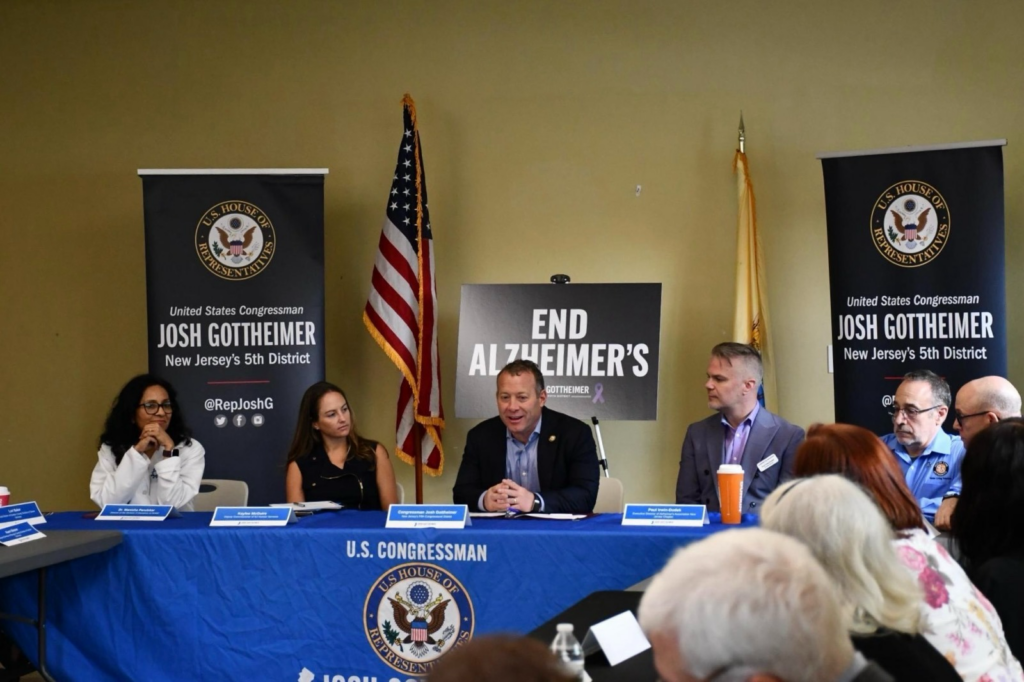
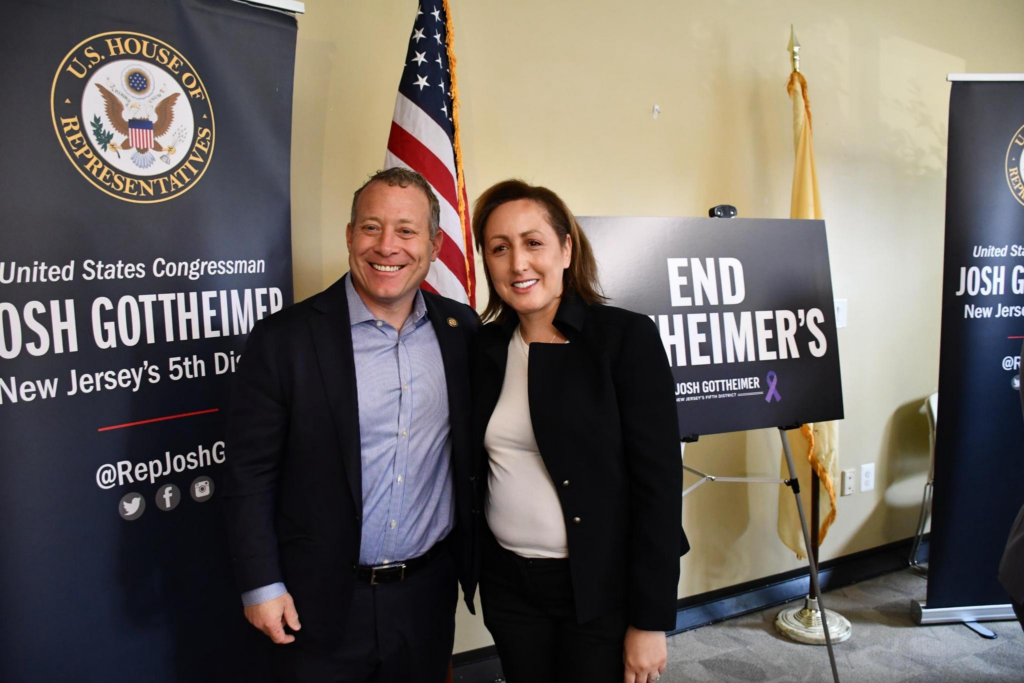
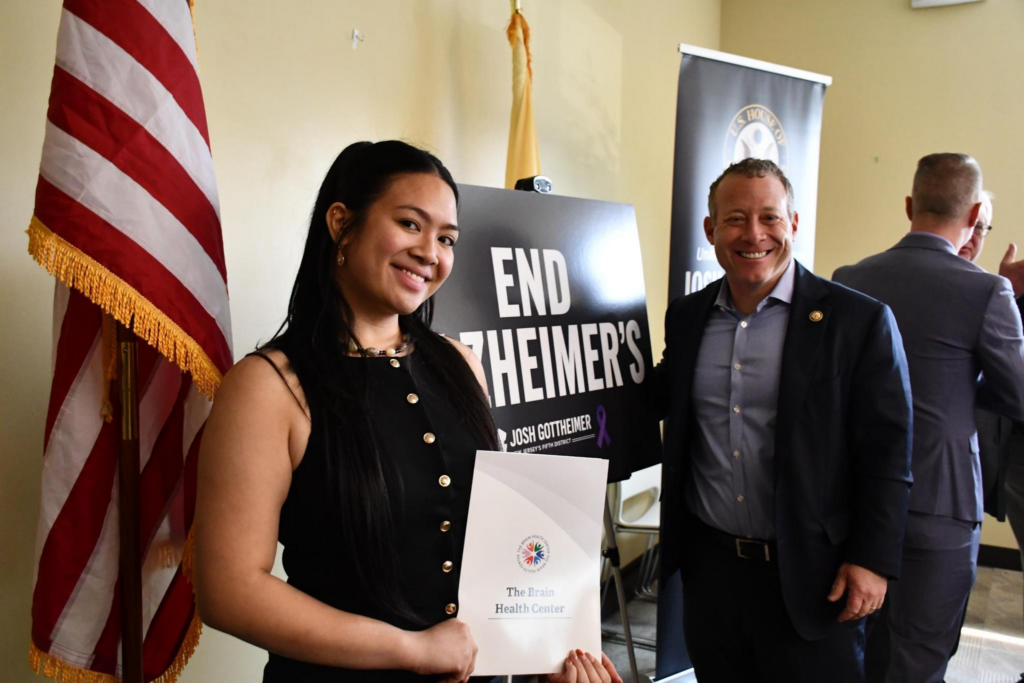
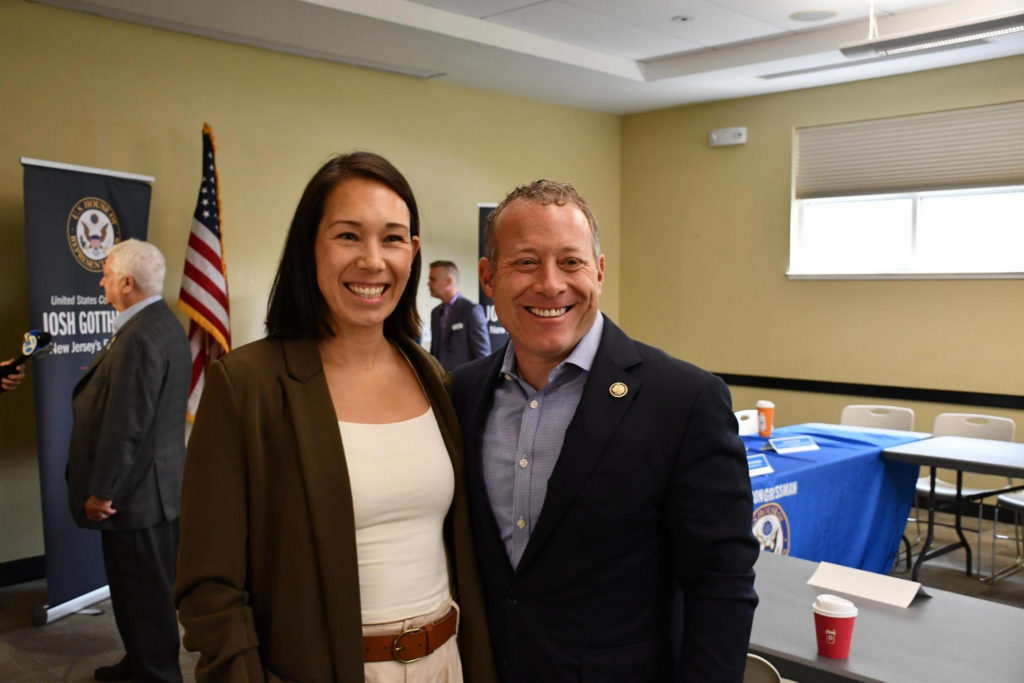
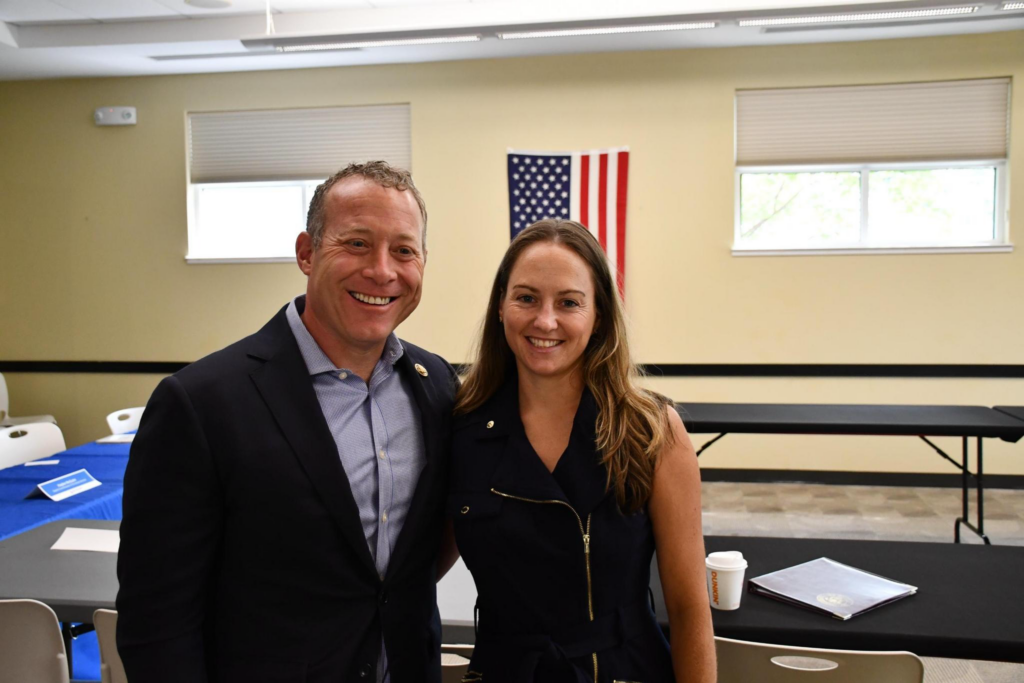
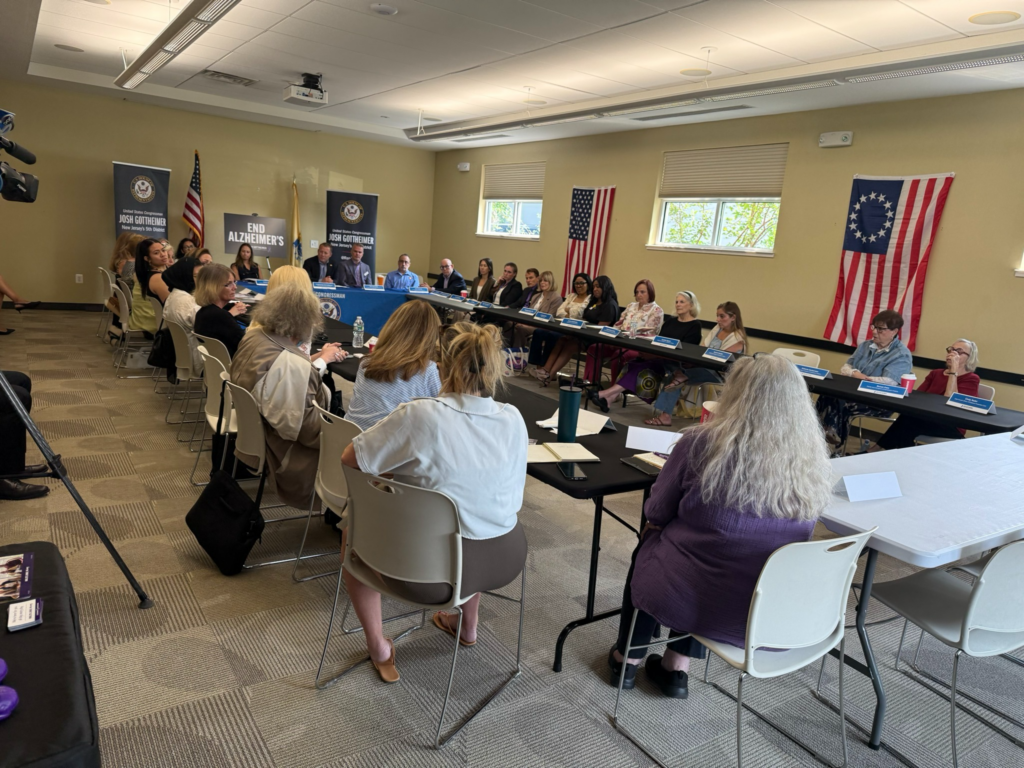
Above: Gottheimer hosts Alzheimer’s roundtable.
WALDWICK, NJ — Today, Tuesday, August 11, 2026, U.S. Congressman Josh Gottheimer (NJ-5) hosted a roundtable on Alzheimer’s disease and other forms of dementia at the Waldwick Public Library, bringing together medical experts, patients, caregivers, advocates, and local leaders to discuss the ongoing challenges facing New Jersey families affected by Alzheimer’s, the latest research and treatments, and the fight in Washington to combat the disease.
The roundtable discussion focused on the everyday realities facing Jersey families affected by Alzheimer’s and other forms of dementia. Alzheimer’s is the most common cause of dementia and is a progressive disease of the brain. Today, an estimated 7.4 million Americans aged 65 and older are living with Alzheimer’s, or about one in nine seniors, and nearly two-thirds of them are women.
“This isn’t an abstract issue for me. Like so many of you, I’ve had close friends and family members who’ve struggled with this disease, and once you’ve watched it up close, it changes something in you,” said Congressman Josh Gottheimer (NJ-5). “For decades, an Alzheimer’s diagnosis felt like a hopeless one. That is finally starting to change, but only if we keep the research funded, keep training our doctors, and keep fighting to make sure new breakthroughs actually reach the people who need them. I want to thank our medical experts, advocates, patients, caregivers, and local leaders who joined me this morning.”
“Alzheimer’s touches every part of a family’s life, and no one should have to navigate its challenges alone. I thank Congressman Gottheimer for bringing people together for this important conversation and for his continued leadership on issues affecting family caregivers. These conversations give us an opportunity to listen to families, learn from their experiences, and work together on solutions that make a real difference. At New Jersey Human Services, we are committed to helping those living with Alzheimer’s and related dementias remain as independent and connected to their communities as possible, while helping caregivers get the support and resources they need,” said Kaylee McGuire, Human Services Deputy Commissioner for Aging and Disability Services.
“It was an honor to join Congressman Gottheimer and fellow experts to discuss the current landscape of Alzheimer’s disease. Meaningful progress, from improving early diagnostics and supporting caregivers to driving medical innovation, requires steadfast collaboration between clinicians, researchers, and dedicated policymakers as we work together to finally put an end to this devastating disease,” said Dr. Manisha Parulekar, Chief, Division of Geriatrics, and Co-Director, Center for Memory Loss and Brain Health at Hackensack University Medical Center.
Alzheimer’s was the sixth-leading cause of death in New Jersey in 2024, and roughly 2,320 New Jersey residents died from the disease in 2025. Statewide, 185,300 residents age 65 and older are living with Alzheimer’s, including about 12.3 percent—or nearly 22,800 residents—who live in Bergen, Passaic, and Sussex Counties.
The burden falls heaviest on families. Across New Jersey, 283,000 residents serve as unpaid dementia caregivers, providing an estimated $13.6 billion in unpaid care. Nationwide, some 12.7 million family members and friends provide unpaid care, and the health and long-term-care costs of Alzheimer’s and other dementias are projected to reach $409 billion in 2026.
Roundtable participants underscored the need to improve early detection and diagnosis, expand access to treatment and care, and protect critical federal research funding. Participants also highlighted the need for greater resources for family caregivers and better training for medical providers to recognize and care for patients with dementia.
Congressman Gottheimer has been a long-time champion in the fight against Alzheimer’s disease and dementia, working to advance efforts across research, early detection, prevention, provider education, and support for patients and caregivers. He is a member of the Bipartisan Congressional Task Force on Alzheimer’s Disease and recently helped advance the bipartisan Accelerating Access to Dementia & Alzheimer’s Provider Training (AADAPT) Act through the House, legislation that would equip primary care providers with the training and tools needed to better recognize, diagnose, and care for patients living with dementia.
Gottheimer has also championed efforts to strengthen the nation’s public-health infrastructure for Alzheimer’s disease. He cosponsored and helped pass the BOLD Infrastructure for Alzheimer’s Reauthorization Act, which is now law and builds on federal, state, and local efforts to improve Alzheimer’s detection and prevention while strengthening support for caregivers. He has also championed the Alzheimer’s Screening and Prevention (ASAP) Act, the CHANGE Act, the Comprehensive Care for Alzheimer’s Act, and the NAPA Reauthorization Act, which help improve care and outcomes for patients and their families.
Beyond legislation, Gottheimer has consistently fought to make sure Alzheimer’s research receives the federal resources necessary to advance new treatments and, ultimately, find a cure. He has signed onto annual Congressional Appropriations letters calling for increased Alzheimer’s research funding at the National Institutes of Health, including support for a $318 million increase. Taken together, these efforts demonstrate Gottheimer’s sustained commitment to confronting Alzheimer’s from every angle — investing in groundbreaking research, improving early diagnosis and treatment, strengthening the health-care workforce, and ensuring patients, families, and caregivers in Jersey have the support they need.
Gottheimer was joined by Kaylee McGuire, Deputy Commissioner at NJ Human Services; Waldwick Councilwoman Courtney Wingate; Dr. Marisa Parulekar, Director of the Division of Geriatrics at Hackensack University Medical Center and Co-Director of the Center for Memory Loss and Brain Health at Hackensack University Medical Center; Omna Syed, Manager of Government Relations at Hackensack University Medical Center; Ilham Atir, Laboratory Director of Bergen New Bridge Medical Center; Dr. Ayelet Spitzer, Director of Palliative Care at Valley Hospital; Margaret Farrell Daingerfield EdD, RN, CNE, President of New Jersey State Nurses Association; Dr. Galina Shenfeld, CEO and Founder of The Brain Health Center; Reina Macalindong, Certified Dementia Practitioner & Cognitive Operations Lead at The Brain Health Center; Kerri Sherer, Deputy Director of Bergen County Division of Senior Services; Lori Baker, Social Worker of Sussex County Division of Senior Services; Paul Irwin-Dudek, Executive Director of Alzheimer’s Association New Jersey Chapter; Larry Nayman, New Jersey Chapter Board Vice President of Alzheimer’s Association; David Stamberg, Owner/Operator of Senior Care Authority; Sharon Krinsky-McHale, Ph.D, Alzheimer’s Researcher; Kathy O’Leary, Director of Admissions of the Actors Fund; Jim Prussak, Chief Executive Officer of Applause Home Care; Antoinette Abbate, CMDCP, Founder of The Dementia Advocate; Cindy Rader, Chief Growth Officer of Embrace Prevention Care, a Medicare GUIDE partner organization; Denise Braithwaite, Alzheimer’s Advocate; Temitope Kayode, MPH – End Alzheimer’s Advocate; Lurleen Monteleone – Co-Chair of Community Engagement for the Dutchess Ulster Walk to End Alzheimer’s; La-Tricia Gordon, RN and Caregiver; Linda Casucci Horisk, Family & Caregiver of Alzheimer’s Patient; Caroline Spano, Family & Caregiver of Alzheimer’s Patient; David A. Hendler, Family & Caregiver of Alzheimer’s Patient; Susan Fein, Family & Caregiver of Alzheimer’s Patient; Mary Galea, Family & Caregiver of Alzheimer’s Patient; Joanne B. Siegel, Consultant of Healthcare Consultant, LLC.; Jennifer Mazzatta, Family Member of an Alzheimer’s Patient; Bobbie Zuckerman, Family & Caregiver of Alzheimer’s Patient; & Marlene Sweeney, Caregiver of an Alzheimer’s Patient.
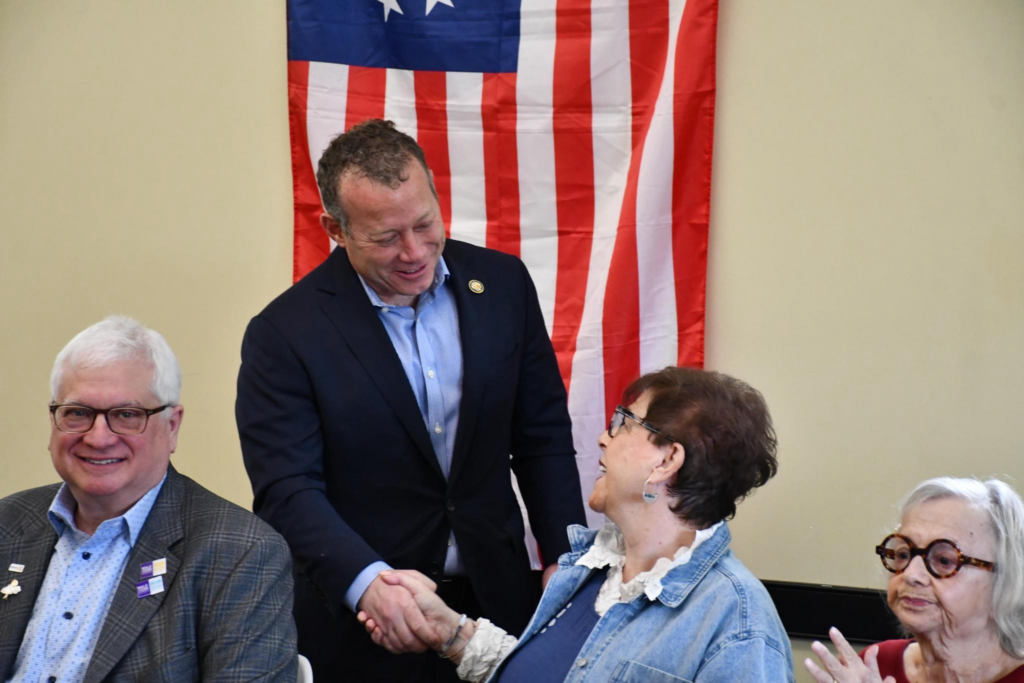
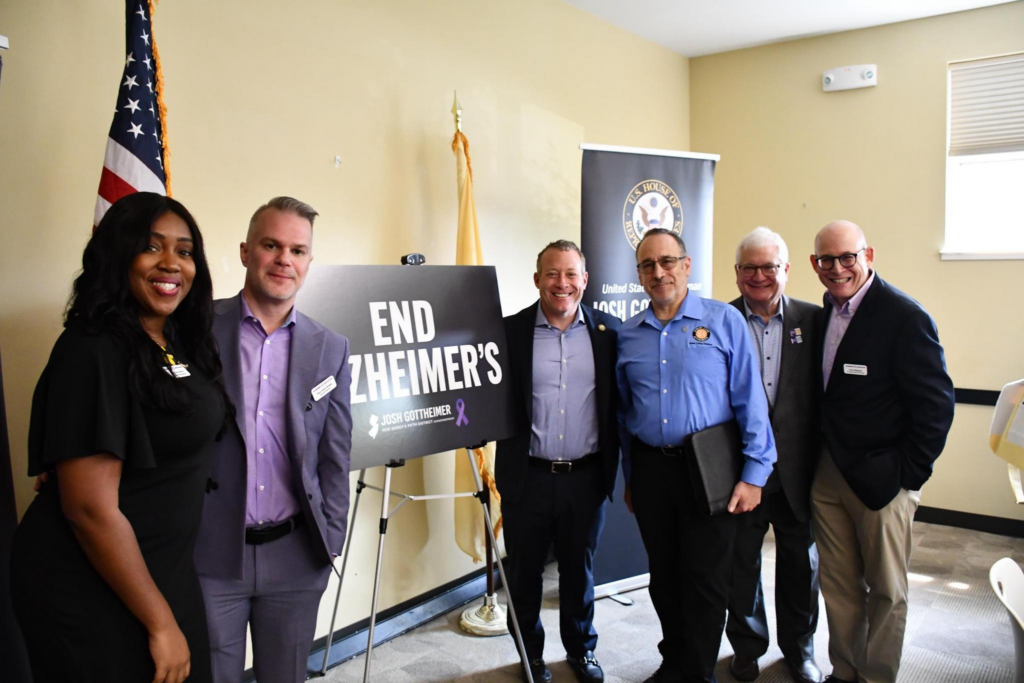
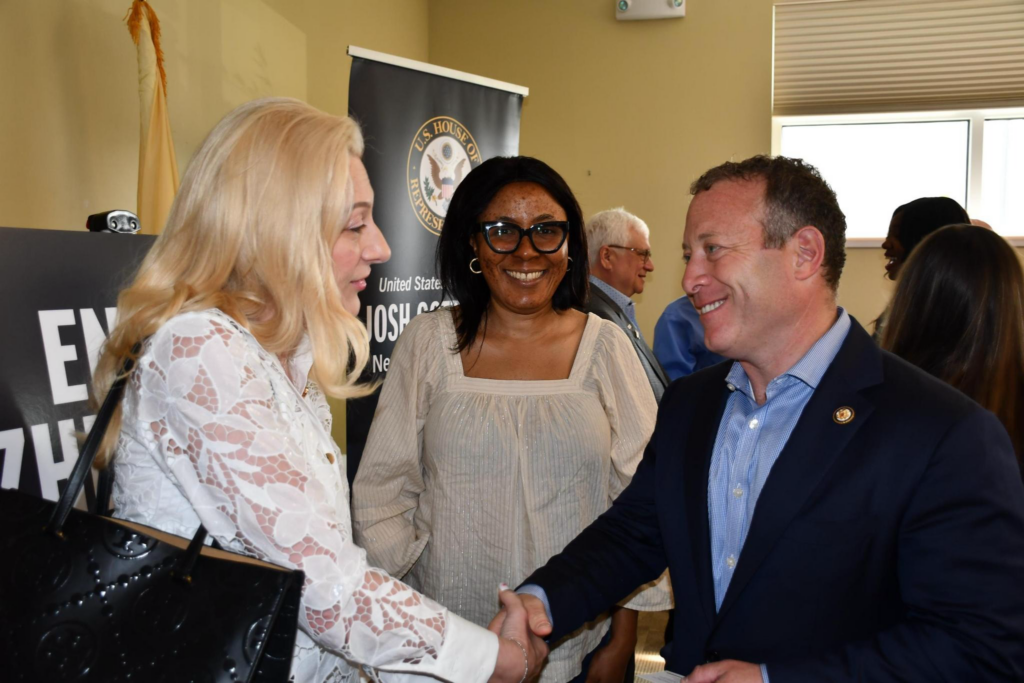
Below: Gottheimer hosts Alzheimer’s roundtable.
Gottheimer’s remarks as prepared for delivery:
Good morning, everybody. Thank you all so much for being here today at the Waldwick Public Library, and thank you for taking the time to sit down with me to talk through a disease that touches so many families right here in North Jersey: Alzheimer’s and dementia.
I also want to thank our medical experts, advocates, patients, caregivers, and local leaders who are joining us at the table this morning. The work you do and the experience you bring are exactly why we’re here today.
Everyone in this room knows a parent, a spouse, a grandparent, a neighbor who has been affected by Alzheimer’s or another form of dementia. The same is true for so many families across Bergen, Passaic, and Sussex Counties. This isn’t an abstract issue for me, either. Like so many of you, I’ve had close friends and family members who’ve struggled with this disease, including my stepfather, who is suffering right now. And, once you’ve watched it up close, you understand it in a way that most don’t. Whether you are living with Alzheimer’s or caring for a loved one with the disease, I know you’re in the trenches every day.
Before we get into today’s discussion, I want to lay out what we’re up against — because the numbers here are staggering.
Right now, more than 7 million Americans age 65 and older are living with Alzheimer’s. That’s roughly one in nine seniors in this country. And, the older you get, the greater the share of people living with Alzheimer’s. It’s staggering — more than 5 percent of adults 65 to 74, nearly 14 percent of adults 75 to 84, and roughly 36 percent of adults 85 and older.
To make matters worse, Alzheimer’s doesn’t affect everyone equally. Nearly two-thirds of Americans living with Alzheimer’s are women. About 19 percent of Black seniors and 14 percent of Hispanic seniors are living with Alzheimer’s, compared to 10 percent of white seniors. And, despite the perception, this isn’t only a disease of old age — roughly 200,000 Americans under 65 are living with younger-onset dementia right now.
Here in New Jersey, Alzheimer’s was the sixth leading cause of death in 2024. As of last year, more than 185,000 New Jersey seniors — that’s more than 12 percent of our state’s older population — are living with Alzheimer’s.
On average, more than 2,000 New Jersey residents die from this disease every single year. And right here in our backyard — in Bergen, Passaic, and Sussex Counties — Alzheimer’s was the underlying cause of death for more than 1,300 Jersey residents between 2022 and 2024.
We can’t talk about Alzheimer’s without recognizing the incredible family members and friends, many of them here in this room today, who care for and support their loved ones with Alzheimer’s and dementia, day in and day out. They provide most of the long-term care for their loved ones, helping with everything from meals and medications to appointments and everyday tasks.
Nationally, nearly 13 million Americans provide this care without pay — nearly 20 billion hours of care every year, averaging almost 30 hours a week per caregiver. In Jersey alone, more than 280,000 residents care for a loved one with dementia without pay, valued at nearly $14 billion in unpaid care. I know how much time, energy, and sacrifice that kind of care requires — and to all of you who do it every single day, thank you.
The costs don’t stop there. This year alone, health and long-term care costs for people living with Alzheimer’s and other dementias are projected to reach more than $400 billion nationwide.
Here in New Jersey, Alzheimer’s and dementia cost our Medicaid program roughly $3 billion annually. Those are billions of dollars going toward doctor visits, medications and treatment, long-term care, and other health needs. As more Americans live longer, these costs will only grow. Today, people 85 and older make up about 11 percent of older Americans. By 2060, that share is expected to nearly double.
It’s not just the direct health care costs. It’s also the costs on families who have given up their own incomes to support their loved ones.
It’s a husband learning to be a full-time caregiver for his spouse. It’s a daughter driving two hours every weekend to visit her mom and make sure she has the help and support she needs because she can no longer live alone. It’s a family watching someone they love slip away a little more every day, and trying to figure out how to provide or pay for care nobody warned them they’d need.
That’s exactly why we’re here this morning. I want to hear directly from you — the researchers, physicians, caregivers, and advocates in this room — about what’s actually happening on the ground.
I want to hear about the barriers to early diagnosis, because we know earlier diagnosis means more time to plan, more access to services, and a real shot at qualifying for treatments that can slow this disease down. I want to hear about the gaps in caregiver support, the challenges getting doctors trained to recognize the early signs, and what more Washington should be doing to help. Lastly, I want to hear what’s standing between families in Northern Jersey and the new treatments and diagnostic tools that are finally coming onto the market.
As a proud member of the Bipartisan Congressional Task Force on Alzheimer’s Disease, I’ve been on the front lines of this fight on Capitol Hill since coming to Congress in 2017 — working across the aisle with colleagues who care about this as much as I do, because this disease doesn’t check party registration.
That’s why I led our New Jersey delegation in wearing purple on Capitol Hill for Alzheimer’s Awareness Month. It may be a small gesture, but it sends a message: we see you, and we’re fighting for you.
Here’s what I’m focused on right now in Congress to fight back.
First, I’m fighting to protect the research funding that makes all of this progress possible. Thankfully, Congress rejected the Administration’s massive proposed 40.5 percent cut to the National Institute on Aging for this year, and instead secured $3.9 billion for Alzheimer’s and related dementia research — plus an additional $100 million on top of that. But, the fight isn’t over — the Administration’s FY2027 budget proposed another cut, nearly $312 million, to the National Institute on Aging, or NIA.
The good news is that House appropriators have rejected those cuts and are proposing an additional $25 million for Alzheimer’s research. But, we’re not across the finish line yet. We still have to make sure that the funding makes it into the final bill. We saw what happens when this funding gets disrupted. Last year, funding delays nearly forced 14 of the nation’s 35 Alzheimer’s Disease Research Centers to shut their doors, threatening staffing, clinical trials, and patients already enrolled in long-term studies. I’ve signed onto appropriations letters requesting increased NIH funding, and I’ll keep fighting to make sure research dollars keep flowing.
Second, I’m pushing a full slate of bipartisan bills to tackle Alzheimer’s and help patients and families. Let me start with the one that’s actually law, and that’s made the biggest difference so far: the BOLD Infrastructure for Alzheimer’s Act, which I backed in 2018 and helped get signed into law.
In fact, I remember speaking with Aaron from the Alzheimer’s Association, who many of you know, right before casting my vote on the floor for its passage.
Before that bill, there was no real national public health strategy for this disease — no coordinated way to fund state and local health departments working on early detection and dementia-risk reduction, no dedicated infrastructure for caregiver support programs, and no consistent data collection to track what was happening state by state. BOLD fixed that. It set up Public Health Centers of Excellence to identify what actually works and spread those best practices to communities like ours.
It’s the law that a lot of what New Jersey does today on early detection and caregiver support runs through. In 2024, I helped lead the fight to reauthorize it, so those programs keep running through 2029.
Now, to bipartisan bills that we are working to get to the President’s desk. The AADAPT Act, which I helped champion and recently passed the House, will fund virtual training programs, so that primary care providers can actually recognize the early signs of Alzheimer’s and dementia.
The ASAP Act, when signed into law, will provide Medicare coverage for the new FDA-approved blood tests that can detect signs of Alzheimer’s sooner — because a good test doesn’t help anybody if families can’t afford it. I’ve also supported the CHANGE Act, to strengthen cognitive screening at Medicare wellness visits; the Comprehensive Care for Alzheimer’s Act, to build a real dementia care coordination model for families; and the NAPA Reauthorization Act, to keep the federal government’s national dementia strategy on track.
Third, we must do everything we can to ensure that science actually reaches families, and isn’t just a headline in a medical journal. We’re at a genuinely hopeful moment — newer treatments like donanemab [doh-NAN-eh-mab] and lecanemab [leh-KAN-eh-mab] are the first to show they can slow Alzheimer’s progression in early stages of the disease, not just manage symptoms. The FDA cleared the first blood test to help diagnose Alzheimer’s just last year, and this summer approved the first at-home starting dose for lecanemab [leh-KAN-eh-mab], so patients can start treatments at home instead of having to travel to an infusion center just to get started.
That’s real progress. But, it only matters if families in Waldwick, in Ringwood, in Vernon can actually access it — which is exactly why I’m pushing to get Medicare coverage caught up with the science.
Finally, I’m also in touch with our partners in the counties I represent and in Trenton, because this fight isn’t just happening in Washington. I’ve reached out to state leaders to push for stronger Alzheimer’s awareness and training for first responders and social workers, and better coordination of the services and resources available to families across New Jersey.
I think one thing is clear: there is nothing partisan about Alzheimer’s disease. This isn’t a Democrat or Republican issue — this is a Jersey families’ issue. For decades, an Alzheimer’s diagnosis felt like a hopeless one. That is finally starting to change, but only if we keep the research funded, keep training our doctors, and keep fighting to make sure new breakthroughs actually reach the people who need them.
So, thank you again for being here, and thank you for the work all of you do every day for patients and families across our state.
I’m confident that, if we work together, here in the greatest country in the world, our best days are ahead of us. I’m looking forward to hearing from all of you this morning — let’s get into it.
Thank you, and God bless you and your families.
###